
Sorbus aucuparia
Sorbus aucuparia
Sorbus aucuparia
Plant Family
Rosaceae
Botanical Description
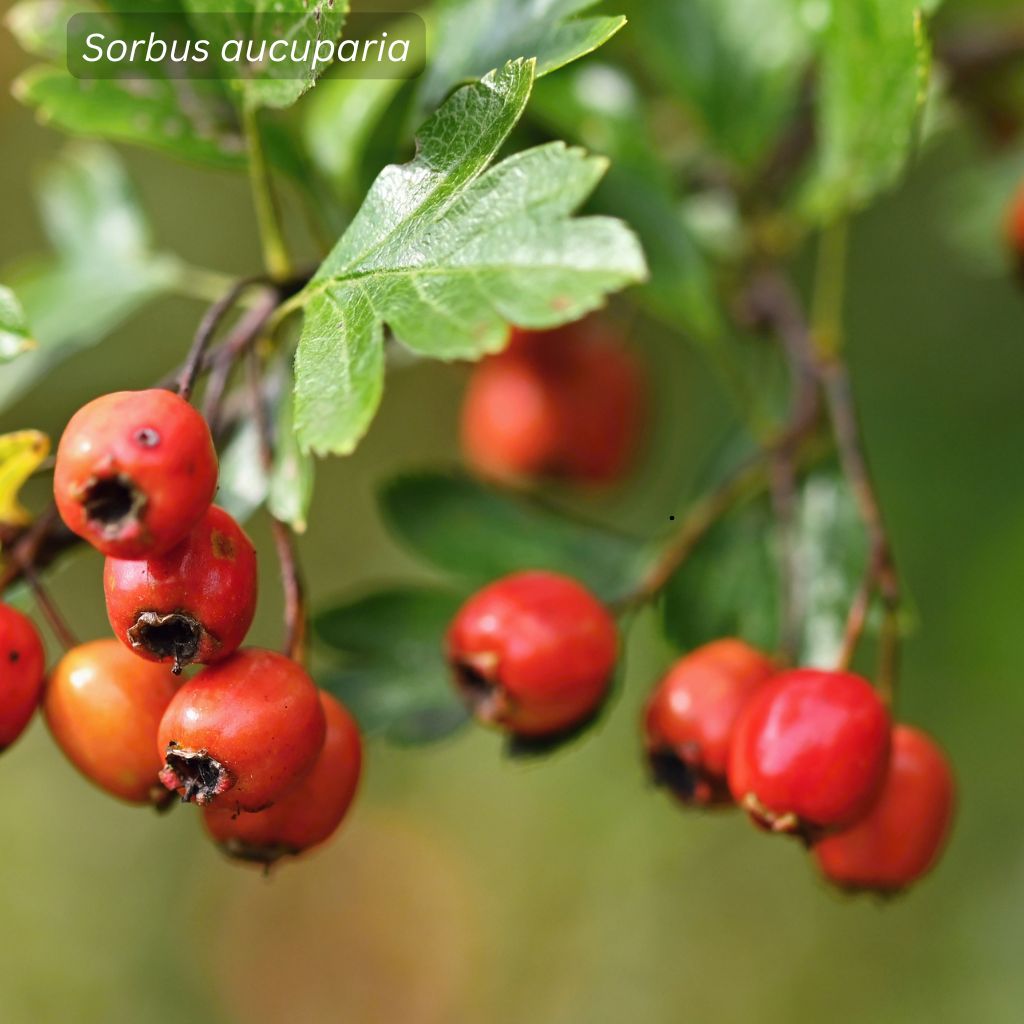
Rowan is a deciduous tree growing 5-15 meters tall with pinnate leaves composed of 9-15 leaflets. It has clusters of creamy-white flowers in late spring followed by bright red-orange berries in autumn. The bark is smooth and grayish.
Cautions
Raw berries contain parasorbic acid which can cause digestive upset - always cook before consumption. Seeds contain cyanogenic glycosides and should not be eaten.
Habitat
Woodlands, hillsides, rocky areas. Often found in mountainous regions.
Harvest Instructions
Berries are harvested after first frost when they become less bitter. Bark harvested from pruned branches.
Geographic Distribution
Native to Europe and parts of Asia. Widespread in northern and mountainous regions including Iceland.
Growth Conditions
Tolerates poor, acidic soils. Prefers cool, moist climates. Full sun to partial shade. Very hardy.
Plant Size
5-15 meters
Pests & Diseases
May be affected by fireblight, rowan berry moth, and aphids.
Effects on the Body
High in vitamin C, supports immune function. Traditionally used for digestive complaints and as a gargle for sore throats.
Active Constituents
Vitamin C, sorbic acid, parasorbic acid (in raw berries), tannins, anthocyanins, carotenoids.
Safety Information
Pregnancy Safety: caution
Breastfeeding Safety: caution
Dosage
Berries must be cooked. Use in jams, jellies, or syrups. Bark decoction: simmer 1-2 teaspoons in water for 15 minutes.
Culinary Use
Berries make excellent jelly, jam, and wine. Often combined with apples. Traditional ingredient in Nordic cuisine.
Folklore & Historical Use
Sacred tree in Nordic mythology, associated with Thor. Believed to protect against evil spirits and witchcraft. Planted near homes for protection.
Scientific Research
Preclinical studies demonstrate high vitamin C content and antioxidant activity from anthocyanins and carotenoids. Limited clinical research available. Traditional use in Nordic countries for immune support.
Unknown


