

Rumex acetosa

Rumex acetosa
Rumex acetosa
Plant Family
Polygonaceae
Botanical Description
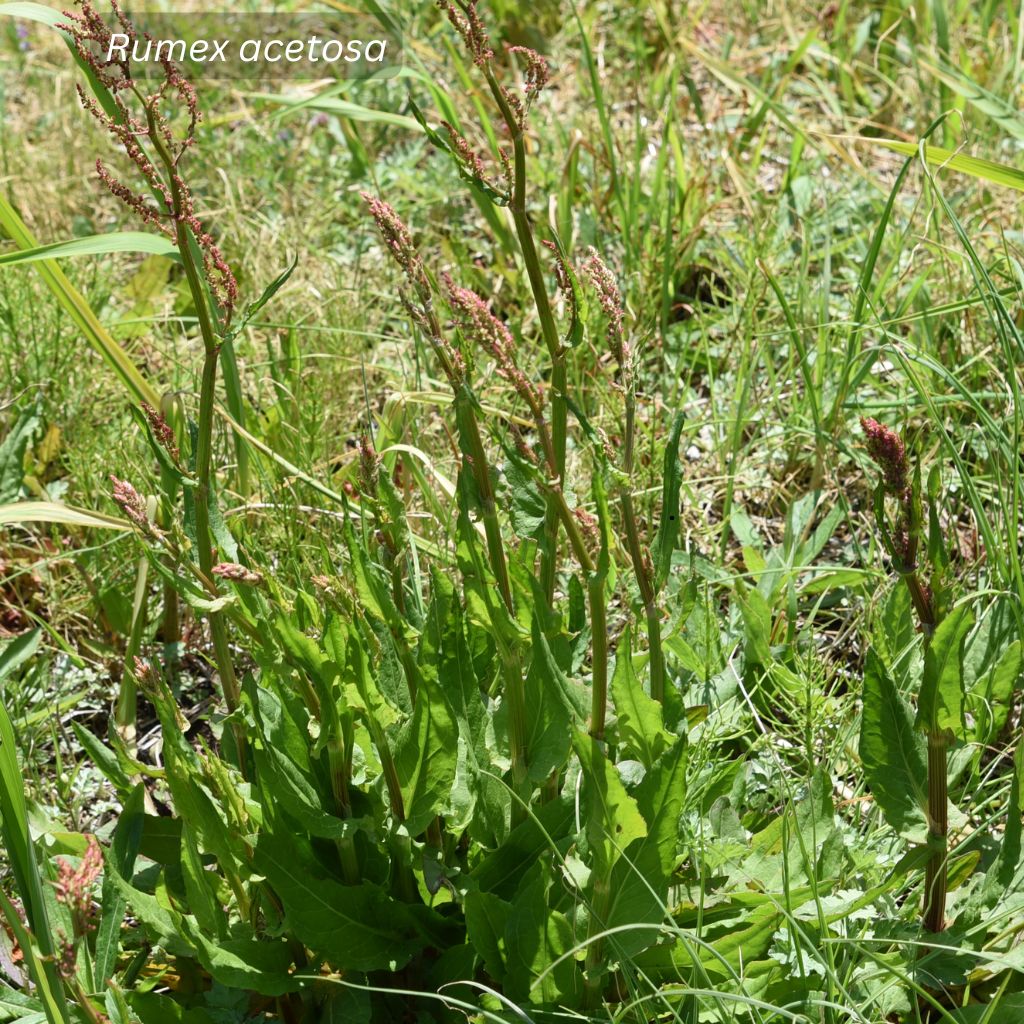
Common Sorrel is a perennial herb growing 30-100 cm tall with arrow-shaped leaves that have a distinctive sour taste. Lower leaves are long-stalked. Small reddish-green flowers appear in whorls on tall spikes from May to July.
Cautions
Contains oxalic acid - avoid in large amounts if you have kidney stones, gout, or rheumatism. Not recommended during pregnancy. May interfere with calcium absorption.
Habitat
Meadows, grasslands, pastures, roadsides, and garden edges.
Harvest Instructions
Young leaves harvested in spring before flowering have best flavor. Can harvest leaves throughout growing season.
Geographic Distribution
Native to Europe and northern Asia. Widely naturalized in temperate regions.
Growth Conditions
Prefers moist, fertile soil. Full sun to partial shade. Tolerates acidic conditions.
Plant Size
30-100 cm
Pests & Diseases
May be affected by sorrel leaf beetle and aphids.
Effects on the Body
Cooling and refreshing, stimulates digestion, mild diuretic, traditionally used to reduce fever and purify blood.
Active Constituents
Oxalic acid, vitamin C, vitamin A, anthraquinones, flavonoids, tannins, iron.
Safety Information
Pregnancy Safety: avoid
Breastfeeding Safety: caution
Dosage
Primarily used as food. Tea: 1-2 teaspoons fresh leaves in hot water. Use in moderation.
Culinary Use
Young leaves excellent in salads, soups, sauces, and omelets. Classic ingredient in sorrel soup. Pairs well with fish and eggs. Lemony flavor.
Folklore & Historical Use
Cultivated since ancient times. Popular in French cuisine. Traditionally used as a spring tonic and to treat scurvy.
Scientific Research
Limited clinical research. Contains high levels of vitamin C and oxalic acid. Preclinical studies show antioxidant activity. Caution advised for those with kidney stones due to oxalate content.
Unknown


