
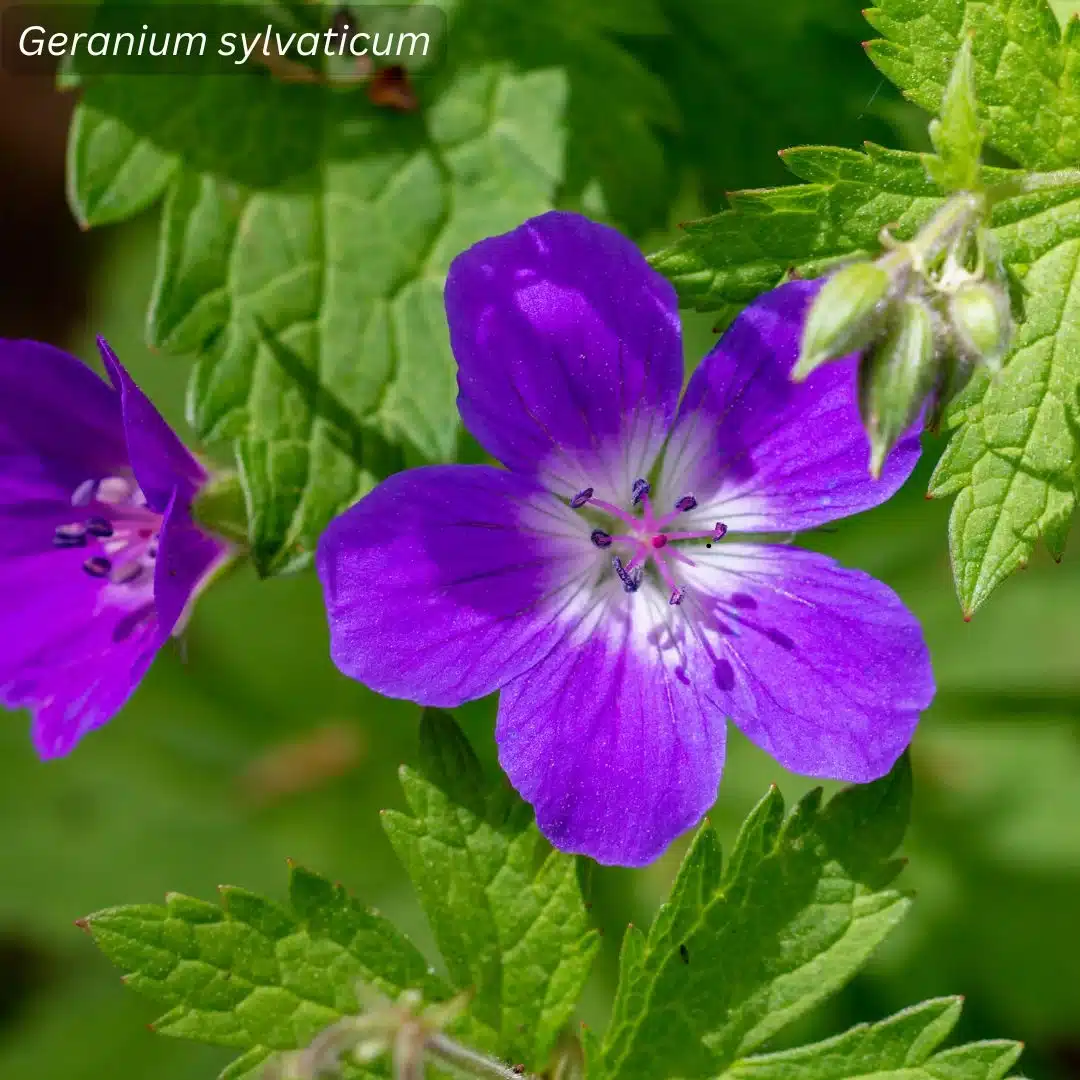
Geranium sylvaticum
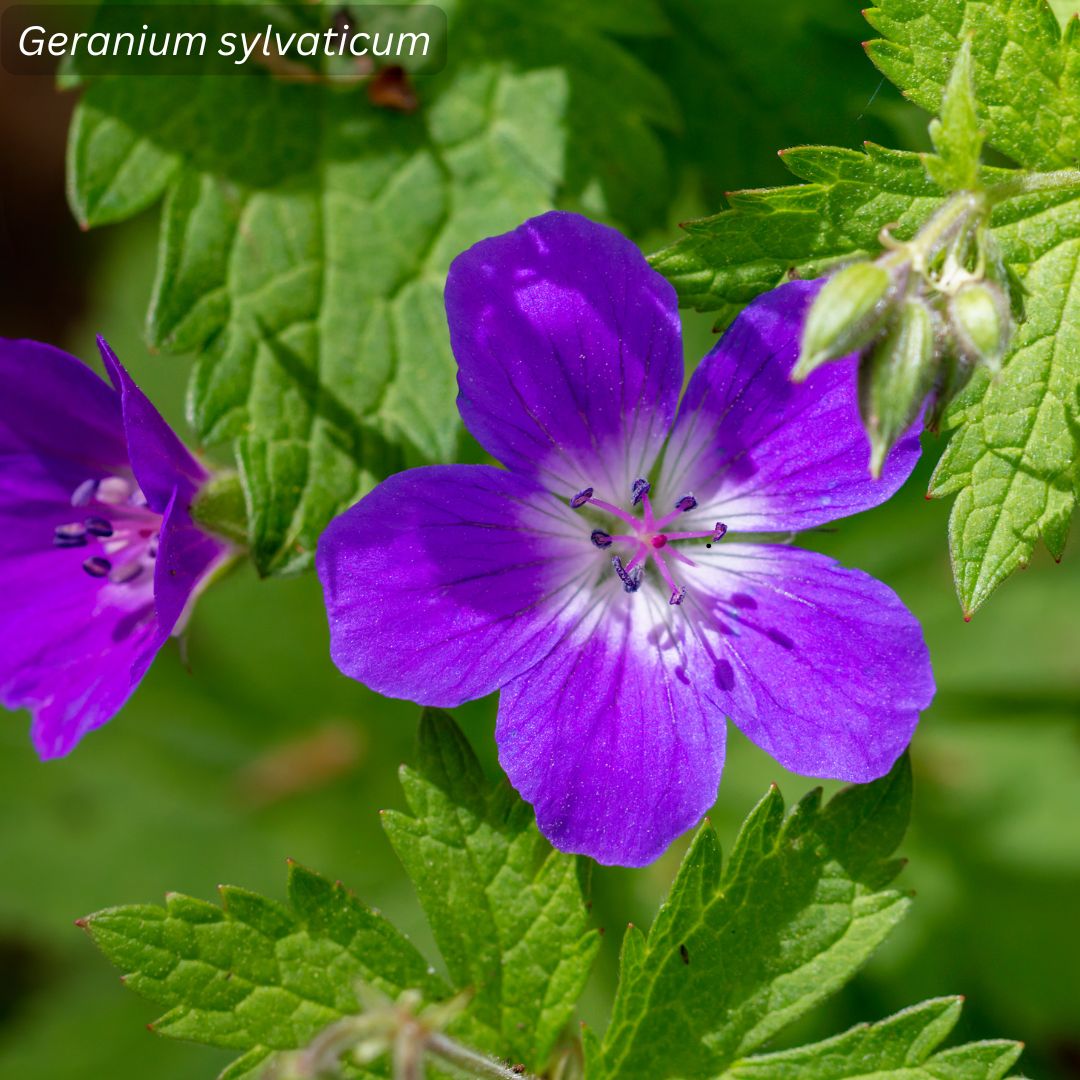
Geranium sylvaticum
Geranium sylvaticum
Plant Family
Geraniaceae
Botanical Description
Wood Cranesbill is a perennial plant growing 30-80 cm tall with deeply lobed palmate leaves and purple-blue flowers with five petals. Seed capsules have a distinctive crane's bill shape.
Cautions
Generally safe. High tannin content may reduce absorption of some medications.
Habitat
Meadows, woodland edges, mountain slopes.
Geographic Distribution
Native to Europe including Iceland and Scandinavia.
Growth Conditions
Partial shade to full sun. Moist, fertile soil.
Plant Size
30-80 cm
Effects on the Body
Astringent for diarrhea and wound healing. High tannin content.
Active Constituents
Tannins, flavonoids, organic acids.
Safety Information
Pregnancy Safety: caution
Breastfeeding Safety: safe
Dosage
Tea: 1-2 teaspoons dried herb in hot water. Topical: as compress or wash.
Culinary Use
Not commonly used culinarily.
Folklore & Historical Use
Traditional astringent remedy in European folk medicine.
Scientific Research
Very limited clinical research available. Contains tannins with documented astringent properties. Traditional use for diarrhea and wounds.
Sigríður Jónsdóttir


