
Verbascum thapsus
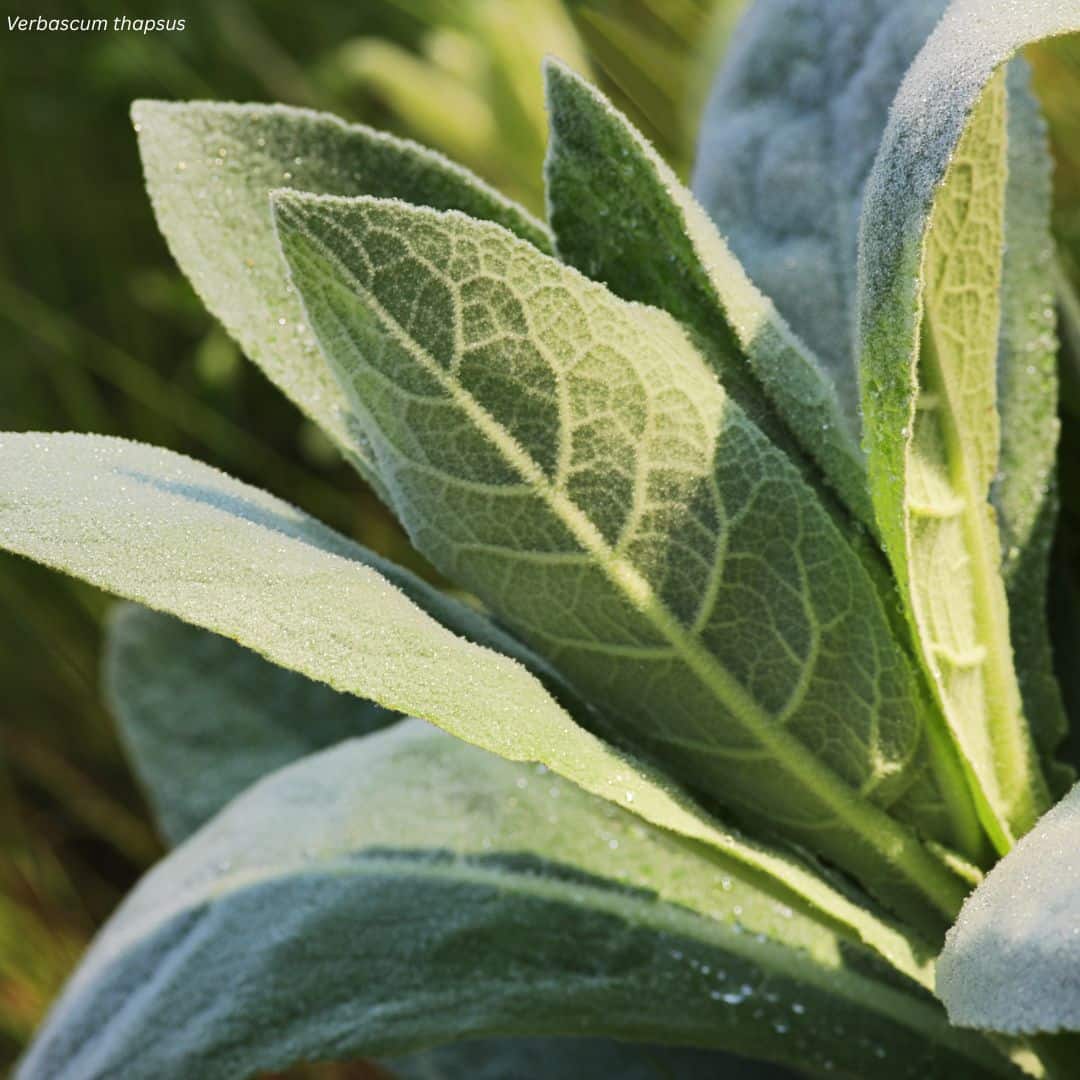
Verbascum thapsus
Verbascum thapsus
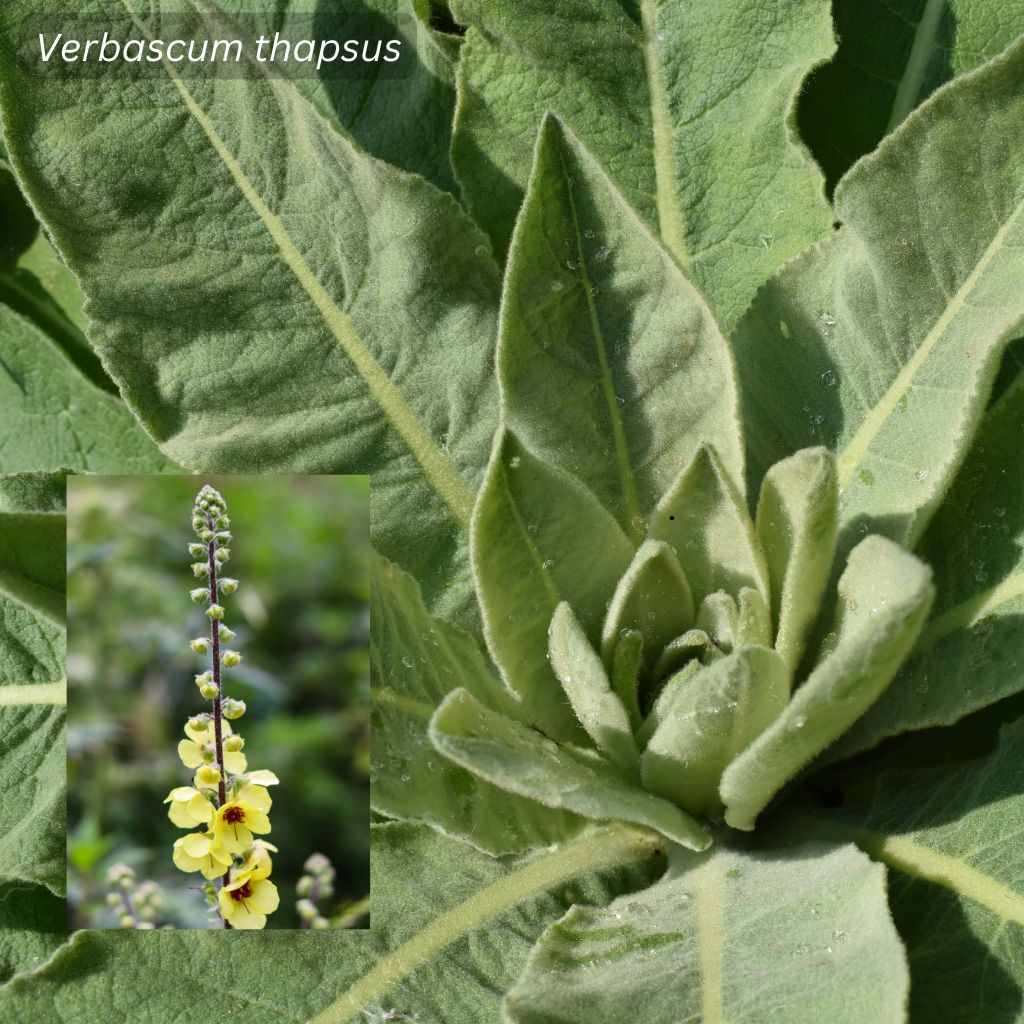
Plant Family
Scrophulariaceae
Botanical Description
Great Mullein is a biennial plant. First year forms a rosette of large, soft, woolly grey-green leaves. Second year produces a tall flower spike up to 2 meters covered with yellow flowers. Entire plant is covered in soft hairs.
Cautions
Generally safe. Strain tea well to remove fine hairs which can irritate throat. Not recommended during pregnancy without professional guidance.
Habitat
Roadsides, waste ground, dry meadows, disturbed areas. Pioneer species.
Harvest Instructions
Leaves harvested in first year or early second year. Flowers picked as they open. Dry carefully.
Geographic Distribution
Native to Europe, North Africa, and Asia. Naturalized in North America and Australia.
Growth Conditions
Full sun. Well-drained, poor to moderately fertile soil. Drought tolerant. Prefers alkaline conditions.
Plant Size
Up to 2 meters (flowering spike)
Effects on the Body
Soothes respiratory passages, loosens mucus, reduces inflammation. Flower oil is traditional remedy for ear infections.
Active Constituents
Mucilage, saponins, flavonoids (hesperidin, verbascoside), iridoids, essential oil.
Safety Information
Pregnancy Safety: caution
Breastfeeding Safety: safe
Dosage
Tea: 1-2 teaspoons dried leaves or flowers in hot water, steep 10-15 minutes, strain through fine cloth. Ear oil: 2-3 drops warmed mullein flower oil.
Culinary Use
Not typically used in cooking.
Folklore & Historical Use
Ancient torch plant - dried stalks were dipped in tallow and burned. Believed to ward off evil spirits and used in witchcraft.
Scientific Research
European Medicines Agency approves traditional use for sore throat and cough. Demulcent properties from mucilage are well-documented. Contains saponins, flavonoids, and iridoid glycosides.
Maria Hrefna Ringdal


