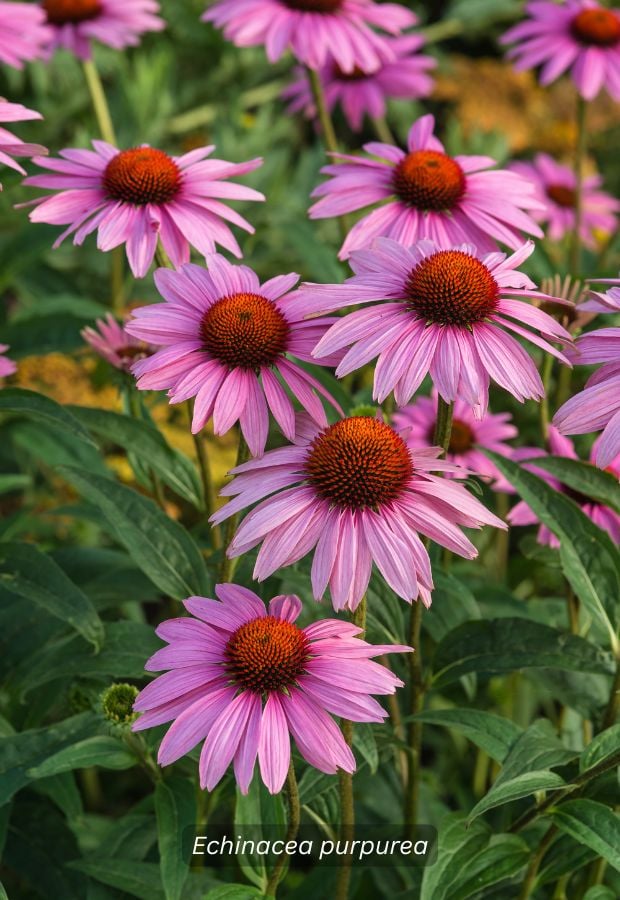
Echinacea purpurea
€ 2,68 (incl. VAT where applicable)
Immune-stimulating herb for acute infections. Supports the body’s natural defenses.
22 in stock (can be backordered)
Purple Coneflower
Echinacea purpurea
Botanical Family: Asteraceae (Daisy family)
Immune champion: The most popular immune-support herb in the West
Native American legacy: Traditional medicine of the Great Plains
Pollinator paradise: Beautiful flowers feed bees and butterflies
Botanical Description
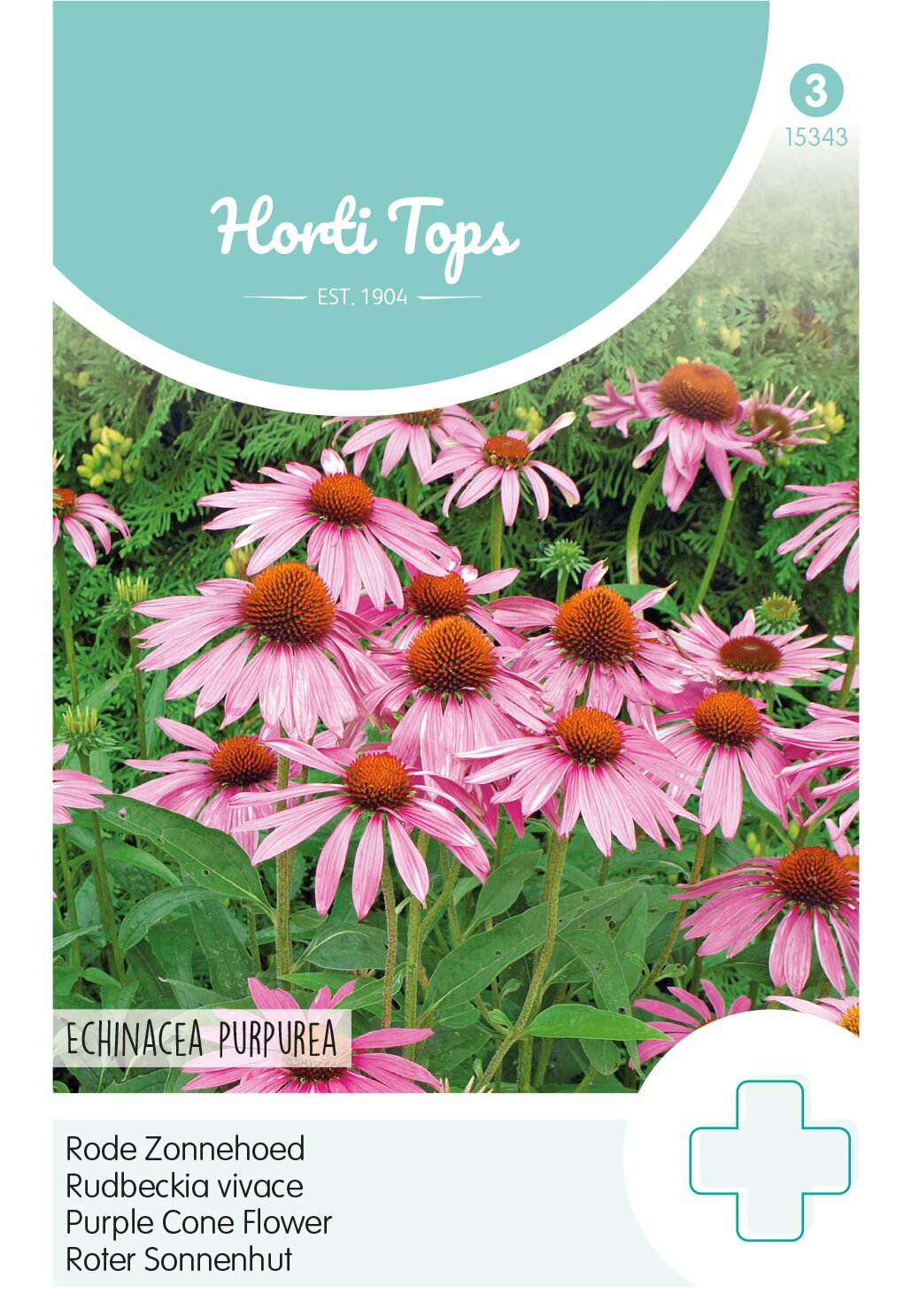
Echinacea purpurea is a striking perennial growing 60-120cm tall. The rough, hairy leaves are lance-shaped to oval. Large flower heads have drooping purple-pink ray florets surrounding a spiny, orange-brown central cone that gives the genus its name (from Greek “echinos” – hedgehog). The flowers are magnets for butterflies and bees.
Medicinal Actions
Primary actions: Immunomodulant, anti-inflammatory, antimicrobial, vulnerary, lymphatic.
Traditional uses: Native American tribes of the Great Plains used echinacea more than any other plant – for wounds, snake bites, toothache, sore throats, and as a general remedy. It entered Western herbalism in the late 1800s and is now the most researched and popular immune herb.
Modern research: Numerous studies, though results vary. Most evidence supports use at the early onset of colds to reduce duration and severity. Contains alkamides, polysaccharides, and caffeic acid derivatives.
Body Systems Affected
Immune: Primary affinity – supports immune response, particularly for acute respiratory infections.
Lymphatic: Supports lymphatic function and drainage.
Integumentary: Traditional wound healer; used for skin infections.
Safety Information
Generally safe for short-term use.
Autoimmune conditions: Theoretically contraindicated due to immune-stimulating effects. Evidence is mixed.
Progressive diseases: Traditionally avoided in tuberculosis, HIV, and multiple sclerosis.
Allergies: Those allergic to Asteraceae may react.
Duration: Best used short-term (1-2 weeks) for acute conditions rather than continuously.
Growing Guide
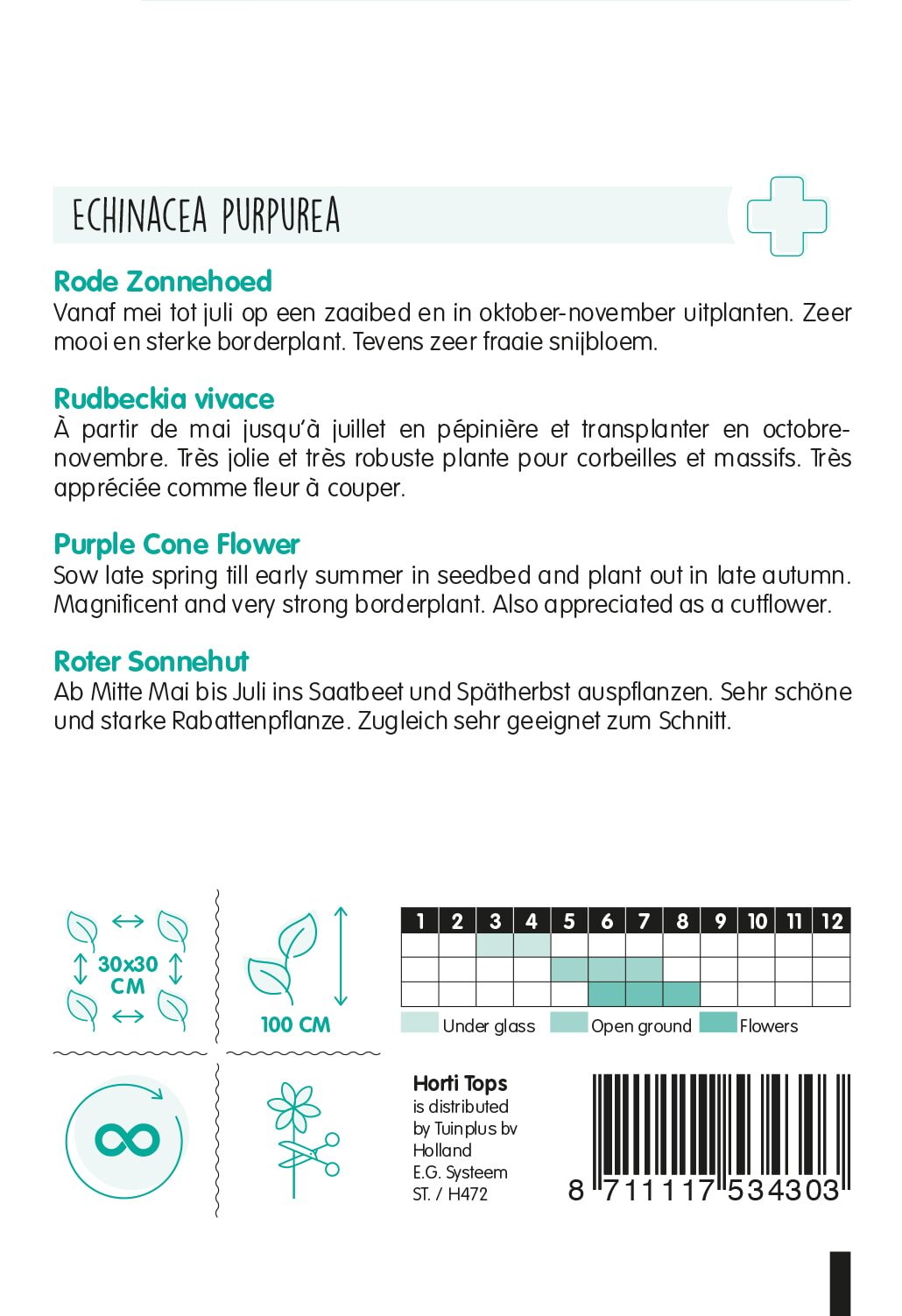
Hardiness: Zones 3-9. Very cold hardy and drought tolerant.
Light: Full sun to light shade.
Soil: Well-drained, average soil. Tolerates poor conditions.
Sowing: Cold stratify seeds 4-6 weeks before sowing, or sow outdoors in autumn for spring germination.
Spacing: 45-60cm apart.
Harvesting
Roots: Harvest in autumn of the 3rd or 4th year.
Aerial parts: Harvest during flowering.
Whole plant: Many herbalists use the whole plant together.
Drying & Storage
Slice roots and dry at 40°C (104°F). Aerial parts dry at 35°C. The characteristic tongue-tingling sensation indicates active alkamides. Store in airtight containers for up to 2 years. Fresh plant tincture is often preferred for highest potency.
📚 HerbWoman Resources
Find preparation methods, formulation ideas, and educational materials for Purple Coneflower in the HerbWoman Recipe Database and course materials.
Seed Details
Botanical Name: Echinacea purpurea |
Brand: HerbWoman
| Weight | 0,01 g |
|---|







Reviews
There are no reviews yet.