
Nettles, Stinging
€ 2,68
Mineral-rich nutritive herb. Supports kidneys, joints, and seasonal allergy response.
90 in stock (can be backordered)
Stinging Nettle
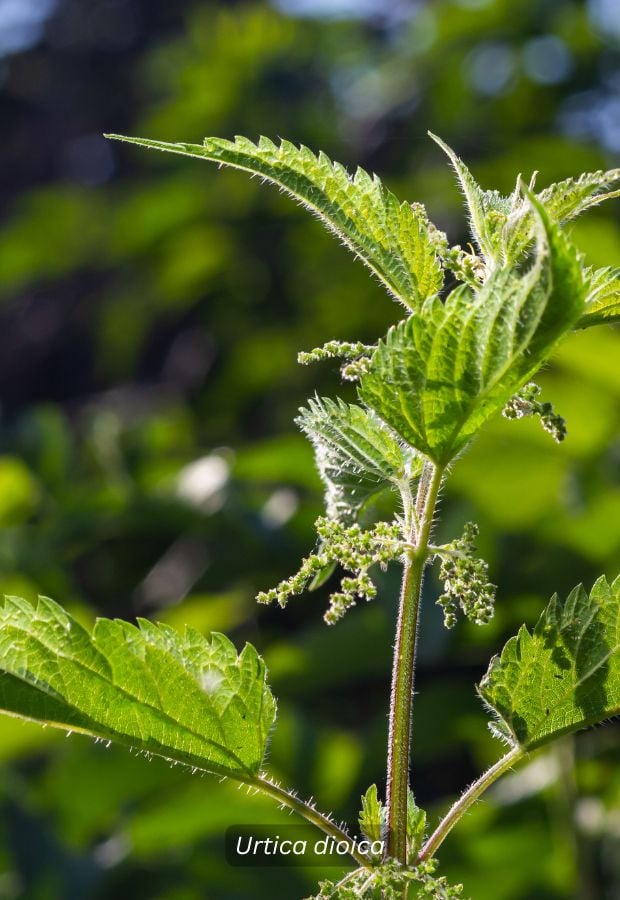
Urtica dioica
Botanical Family: Urticaceae (Nettle family)
Nutritional powerhouse: More iron than spinach, more protein than any land vegetable
Spring tonic: Traditional cleanser after winter
Multiple uses: Root, leaf, and seed all have different medicinal applications
Botanical Description
Urtica dioica is a robust perennial growing 60-150cm tall with square stems and opposite, heart-shaped, deeply serrated leaves. The entire plant is covered with hollow stinging hairs that inject histamine and formic acid upon contact, causing a burning sensation. Despite this defense, nettle is one of the most valuable medicinal and nutritional plants.
Medicinal Actions
Leaf: Nutritive, diuretic, alterative, anti-allergic, astringent, galactagogue.
Root: Anti-inflammatory, 5-alpha-reductase inhibitor (used for prostate conditions).
Seed: Kidney tonic, adrenal support, traditionally used for vitality.
Traditional uses: A deeply traditional European food and medicine. The Roman soldiers reportedly beat themselves with nettles to stay warm. Used as spring tonic, food, fiber, and for countless ailments.
Body Systems Affected
Urinary: Leaf is diuretic; root is used for benign prostatic hyperplasia (BPH).
Immune: Anti-allergic properties; used for hay fever and allergies.
Musculoskeletal: Anti-inflammatory; traditional use for arthritis.
Reproductive: Root for prostate; leaf as galactagogue.
Safety Information
Stinging hairs: Handle fresh plants with gloves. Cooking or drying neutralizes the sting.
Diuretic: May increase urine output. Stay hydrated.
Blood sugar: May lower blood sugar. Monitor if diabetic.
Blood pressure: May lower blood pressure.
Pregnancy: Traditionally used as a nutritive during pregnancy, but medicinal doses are best avoided in early pregnancy due to potential uterine effects.
Growing Guide
Hardiness: Zones 3-10. Extremely adaptable.
Light: Full sun to partial shade.
Soil: Rich, moist, nitrogen-rich soil.
Sowing: Sow fresh seed in autumn or cold stratify for spring. Or transplant root divisions.
Warning: Spreads vigorously by rhizomes. Contain or site carefully!
Harvesting
Leaves: Harvest young leaves in spring before flowering. Wear thick gloves!
Root: Harvest in autumn.
Seeds: Collect when ripe.
Drying & Storage
Dry leaves quickly at 40°C (104°F). Drying neutralizes the sting. Store in airtight containers for up to 1 year. Nettle tea is deeply nutritive and makes an excellent daily tonic. Young leaves can also be blanched and eaten like spinach.
📚 HerbWoman Resources
Find preparation methods, formulation ideas, and educational materials for Stinging Nettle in the HerbWoman Recipe Database and course materials.
Seed Details
Botanical Name: Urtica dioica |
Brand: HerbWoman
| Weight | 0,01 g |
|---|







Reviews
There are no reviews yet.